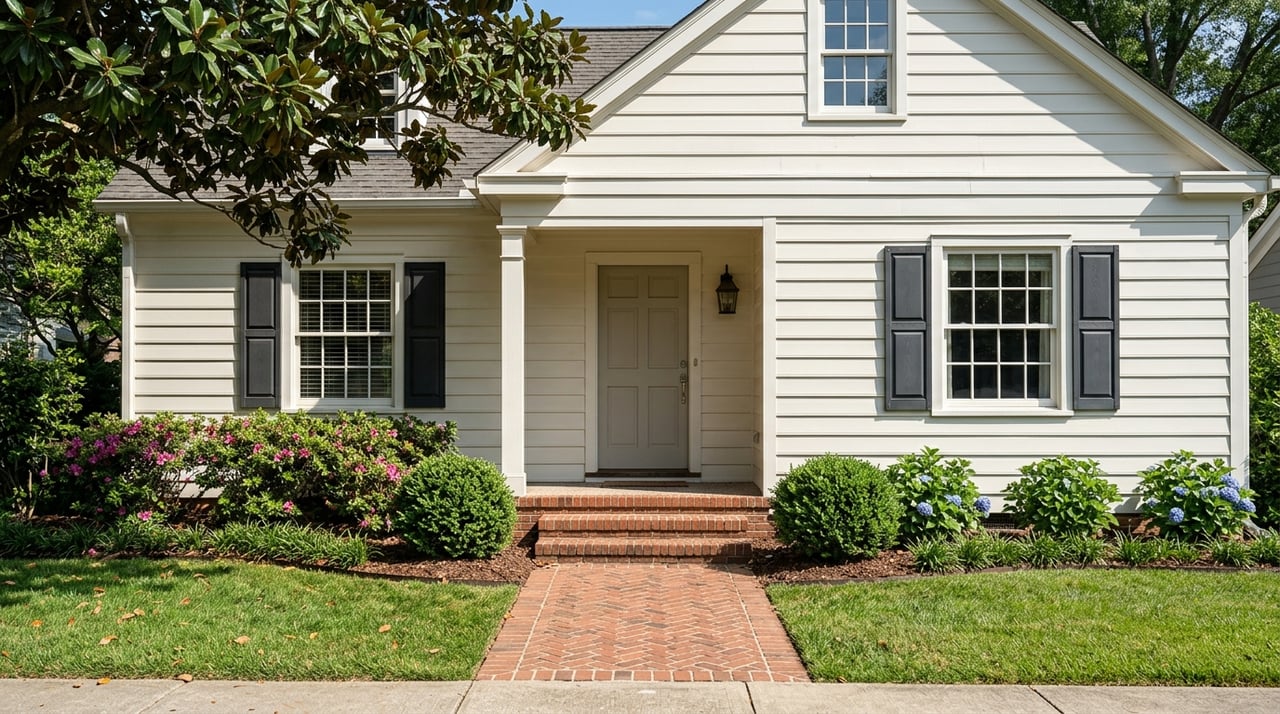
Wondering whether now is the right time to buy or sell in Lost Rabbit? If you are watching this unique Madison community, the latest numbers show a market with more choices for buyers, a slightly softer pricing trend, and a selling pace that still rewards careful strategy. Here’s what the current data says and what you should keep an eye on next. Let’s dive in.
Lost Rabbit Market Snapshot
As of March 2026, Lost Rabbit’s market data on Realtor.com shows 28 homes for sale, a neighborhood median price of about $577,320, a median of $255 per square foot, and a 74-day median time on market.
Compared with a year ago, active listings are up 36.36%, the median price is down 1.65%, and days on market are down 5.13%. Month over month, listings are also up 11.11%, while the median price is down 3.58% and days on market are down 6.33%.
That combination tells you the market is not frozen, but it is offering more room to think than a fast, highly competitive environment. Buyers have more inventory to review, and sellers need to be realistic and precise.
Why Lost Rabbit Stands Apart
Lost Rabbit is not a one-size-fits-all neighborhood. According to the official Lost Rabbit community site, it is a walkable waterside community with a marina, town center, swimming pool, firepit, plaza, and walkable paths.
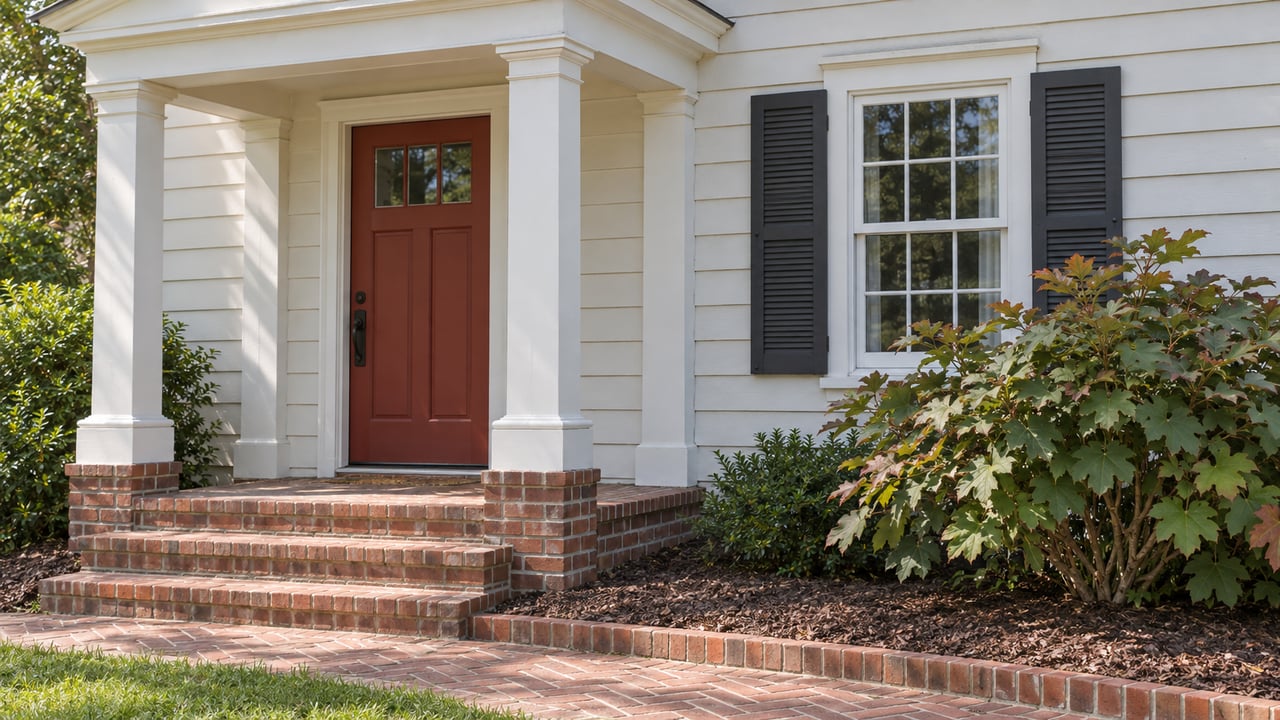
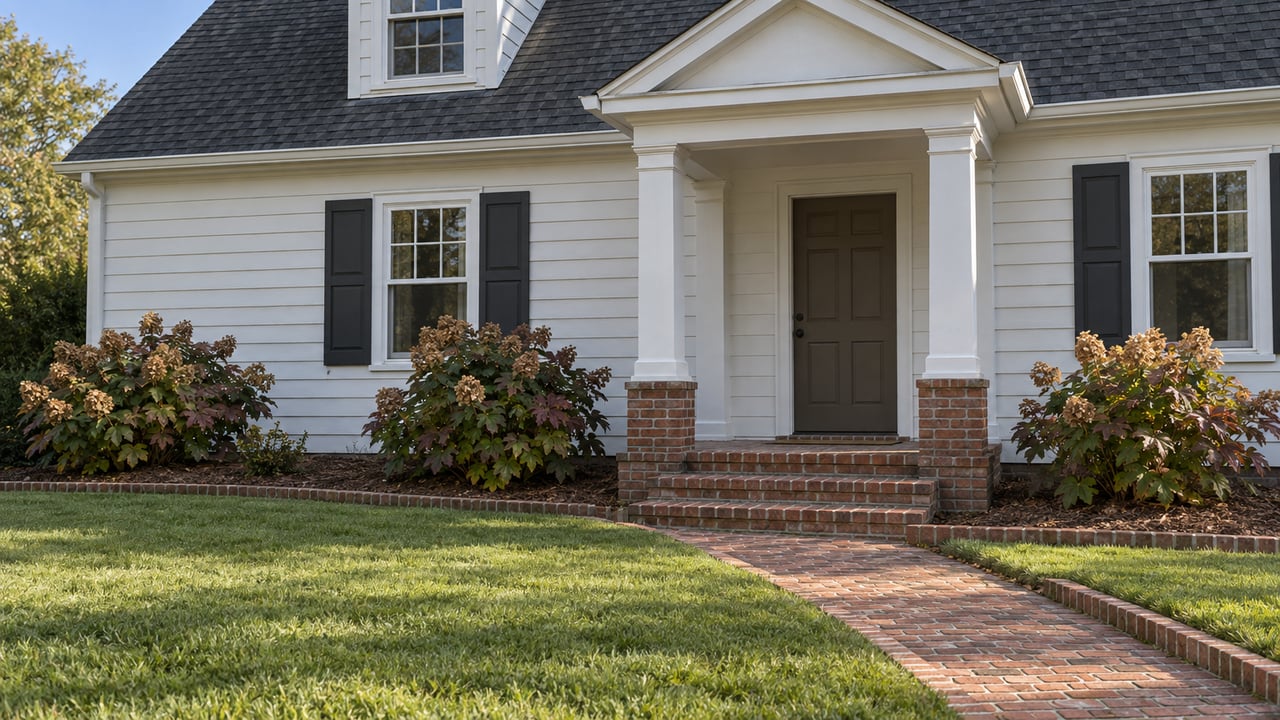
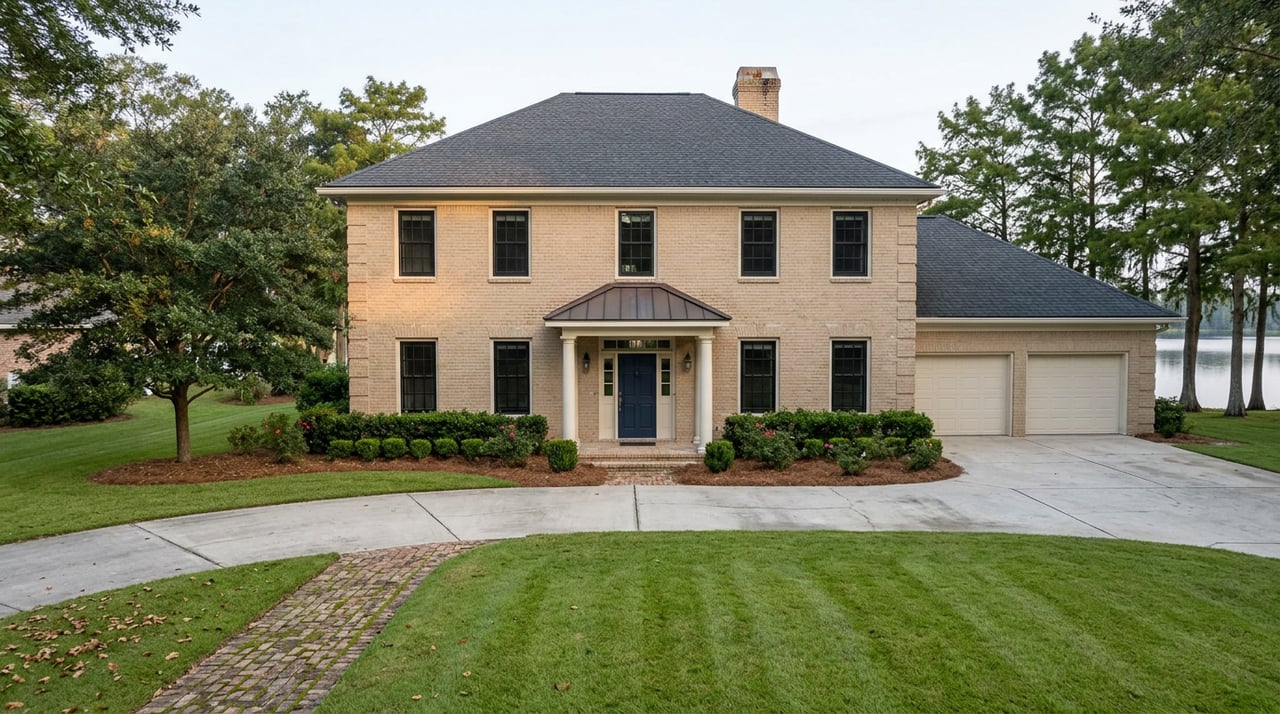
The community also includes a wide mix of housing options, including lofts, cottages, estate homes, and homesites. That matters because broad neighborhood averages can only tell part of the story in a place where home style, lot position, views, and finish level may vary quite a bit.
The current listing examples shown publicly range from the mid-$500,000s to nearly $2 million. In other words, Lost Rabbit operates more like a small lifestyle micro-market than a uniform neighborhood where every home fits neatly into the same pricing band.
How Lost Rabbit Compares to Madison
If you only looked at Madison citywide numbers, you might miss what makes Lost Rabbit different. Redfin’s February 2026 Madison market snapshot shows a median sale price of $299,000, median days on market of 32, and an average sale at about 3% below list price.
By comparison, Lost Rabbit’s median price is much higher and its median marketing time is longer. That does not automatically signal weakness. It more likely reflects the neighborhood’s higher price tier and more specialized housing mix.
The broader regional picture tells a similar story. The Central Mississippi REALTORS January 2026 report shows a median sales price of $257,250, 72 days on market, and 4.1 months of inventory across the 11-county coverage area.
Lost Rabbit’s 74-day median time on market is much closer to that regional pace than to Madison’s faster citywide average. For you, that means Lost Rabbit should be evaluated on its own terms, not by broad city averages alone.
What Buyers Should Watch
For buyers, the clearest opportunity right now is choice. With more listings on the market and pricing a bit softer than before, you likely have more time to compare homes and make a measured decision.
That said, not every Lost Rabbit property should be judged the same way. A cottage, a loft, an estate home, and a homesite may attract different buyers and command different pricing logic, even within the same community.
If you are shopping here, keep your eye on these factors:
- Comparable listings in the same product type
- Lot location and water orientation
- Floor plan and usable square footage
- Finish level and updates
- How quickly similar homes are moving
Another encouraging sign for buyers is stability. Realtor.com’s data shows a 3-year median price change of just 0.75%, which points to a neighborhood that has held value relatively well rather than one in the middle of a major reset.
What Sellers Should Watch
If you are selling in Lost Rabbit, the biggest takeaway is simple: pricing matters more when buyers have options. With 28 active listings and a broad price range in the community, buyers can compare homes more carefully.
A 74-day median time on market is a useful planning benchmark. Some homes will sell faster, and some will take longer, but it is smart to prepare for a market that may require patience and strong positioning.
The most important numbers for sellers are often not Madison-wide averages. Instead, you should focus on the homes that most closely compete with yours in Lost Rabbit.
That includes:
- Homes in a similar price band
- Homes with a similar size and layout
- Homes with a similar lot or view position
- Homes with a similar finish level and overall presentation
The good news is that the data does not suggest a distressed market. Median pricing is only modestly lower year over year, and the longer-term trend has stayed fairly flat. Well-presented homes that are priced in line with direct neighborhood competition still have a viable path to a successful sale.
Key Signals to Follow Next
Whether you are buying or selling, a few metrics will tell you more than headlines can. Lost Rabbit is a small, distinct market, so small shifts can matter.
Here are the signals worth watching over the next few months:
New Listing Count
If new listings keep rising, buyers may gain more leverage because there will be more options to choose from. For sellers, that means stronger competition and a greater need to stand out.
Price Reductions
Price reductions can reveal where seller expectations and buyer demand are not lining up. If you start seeing more reductions among similar homes, that can shape both offer strategy and pricing decisions.
Comparable Homes Selling Speed
Neighborhood-wide days on market are helpful, but direct comparables matter more. If homes similar to yours are moving faster than the median, that may show strong demand in your specific segment.
Inventory Direction
If inventory continues rising while marketing times stay elevated, buyers may hold more negotiating power. If inventory tightens, sellers may regain firmer pricing support.
Is It a Buyer’s or Seller’s Market?
Right now, Lost Rabbit appears more balanced than heavily tilted to either side. Inventory is up, and pricing has softened slightly, which gives buyers more room than they might have had in a hotter stretch.
At the same time, this is still a distinctive, amenity-driven community with a wide range of home types and price points. That uniqueness helps support value, especially when a property is well priced and well presented.
So if you are a buyer, this may be a good time to explore your options carefully. If you are a seller, this is a market where preparation, pricing, and presentation can make a meaningful difference.
Bottom Line for Lost Rabbit
Lost Rabbit remains one of Madison’s more distinctive waterside communities, and the current market reflects that. It is higher priced than the broader Madison market, offers a wider mix of housing types, and is moving at a moderate pace rather than a rapid one.
For buyers, that means more choice and a little more breathing room. For sellers, it means success is still very possible, but the strategy needs to be tailored to your exact segment of the neighborhood.
If you want help understanding how your home or your search fits into the current Lost Rabbit market, connect with Cindy Johnston. You will get local, hands-on guidance built around the neighborhood, the numbers, and your goals.
FAQs
What is the current Lost Rabbit housing market like in March 2026?
- Lost Rabbit currently shows 28 homes for sale, a median price around $577,320, a median of $255 per square foot, and a 74-day median time on market, according to Realtor.com.
How does Lost Rabbit compare with the broader Madison real estate market?
- Lost Rabbit sits in a higher price band than Madison overall and is moving more slowly, with a longer median time on market than Madison citywide.
Is Lost Rabbit a buyer’s market or a seller’s market right now?
- The market appears more balanced than strongly favoring buyers or sellers, with higher inventory and slightly softer pricing but continued value support from the community’s unique housing mix.
How long does it take to sell a home in Lost Rabbit?
- The best current planning benchmark is about 74 days on market, although individual homes may sell faster or slower depending on price, presentation, and location within the neighborhood.
What should buyers focus on when shopping for a home in Lost Rabbit?
- Buyers should compare very similar homes by product type, lot position, floor plan, and finish level, because neighborhood-wide averages can hide big differences between properties.
What should sellers monitor in the Lost Rabbit market?
- Sellers should watch new listing activity, price reductions, direct neighborhood competition, and how quickly similar homes are going under contract.