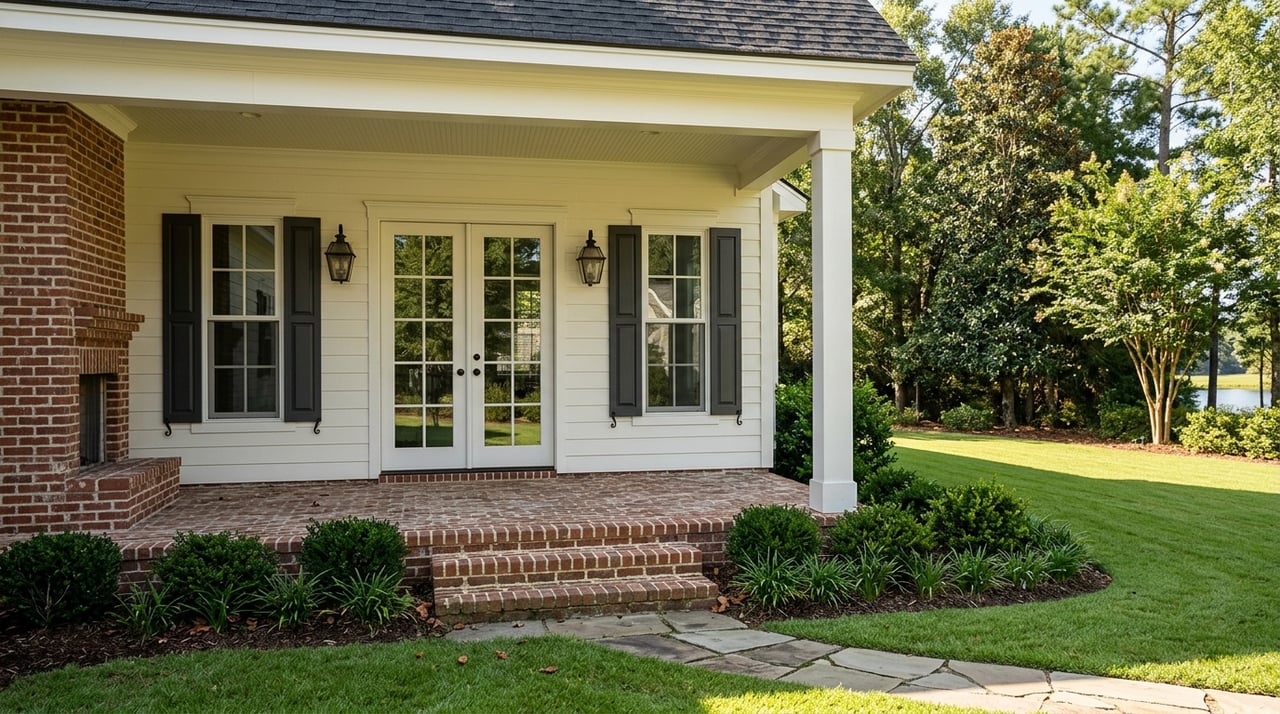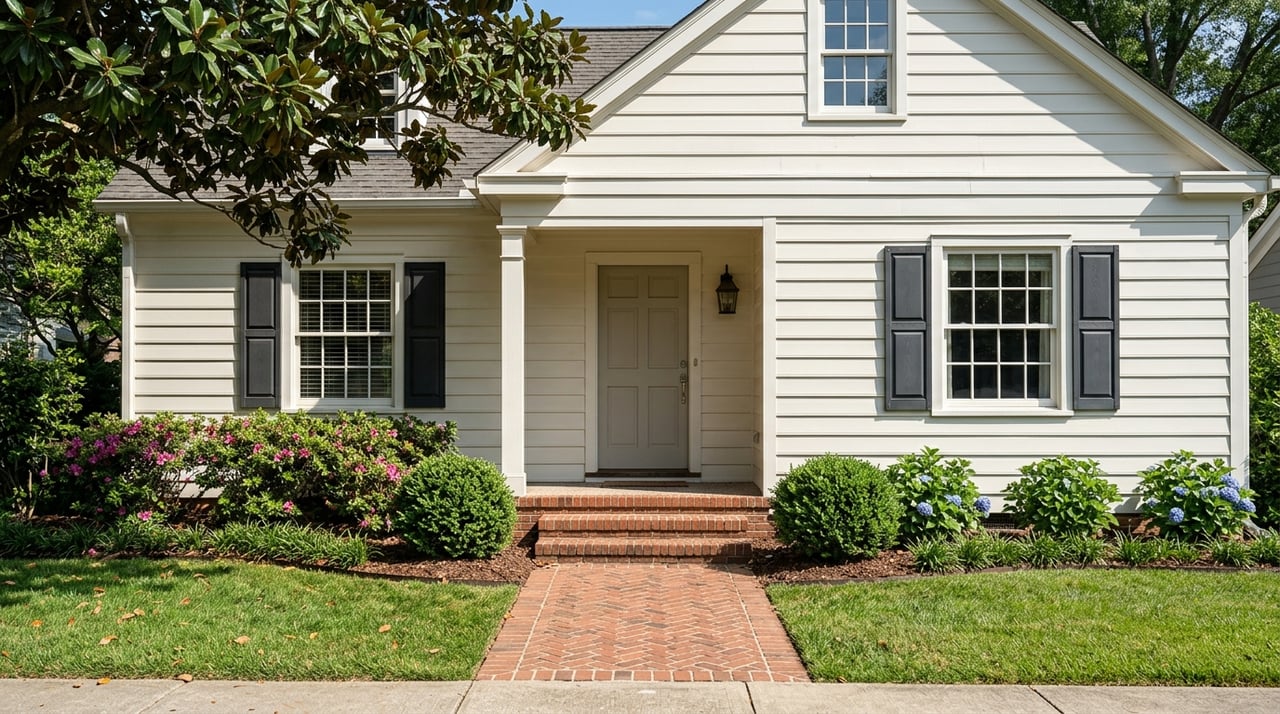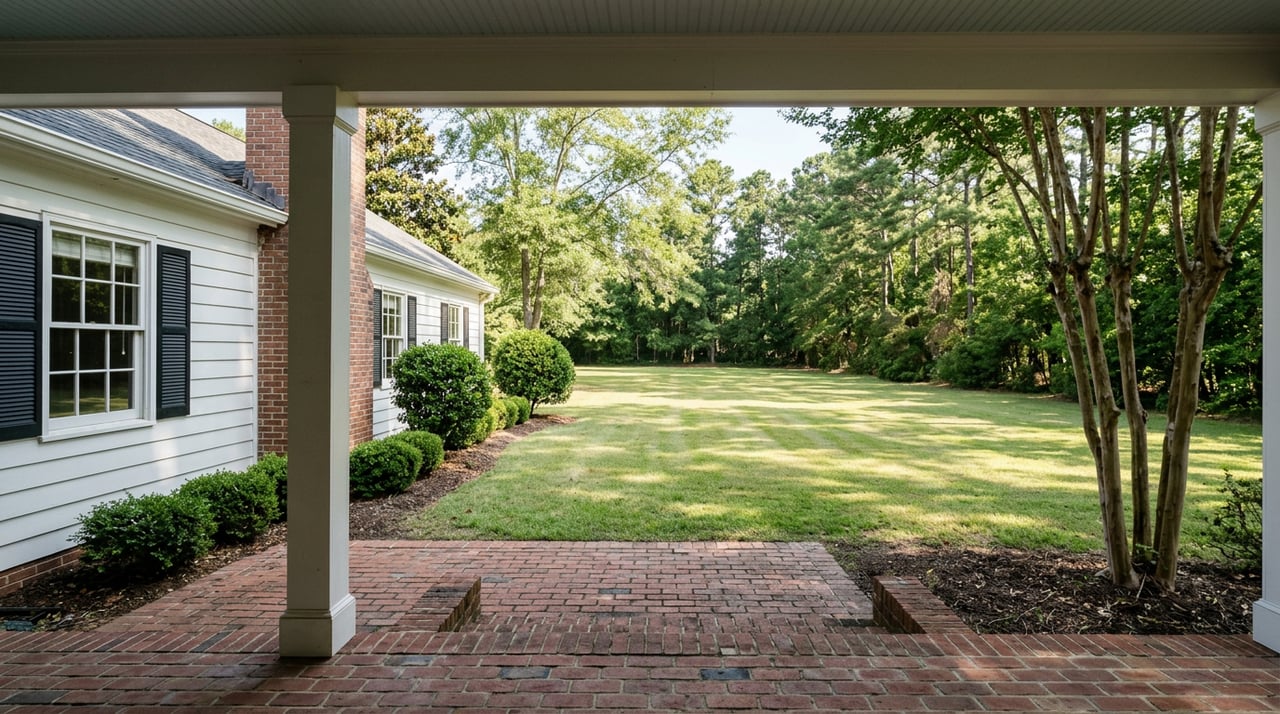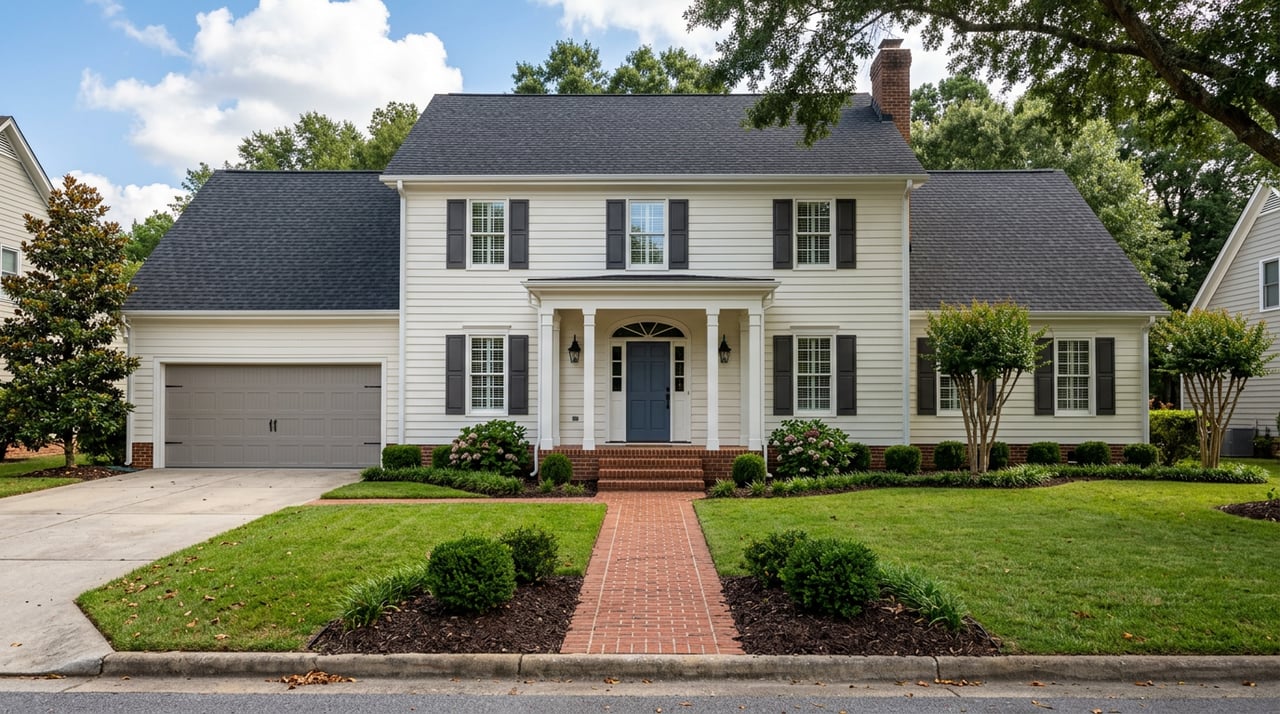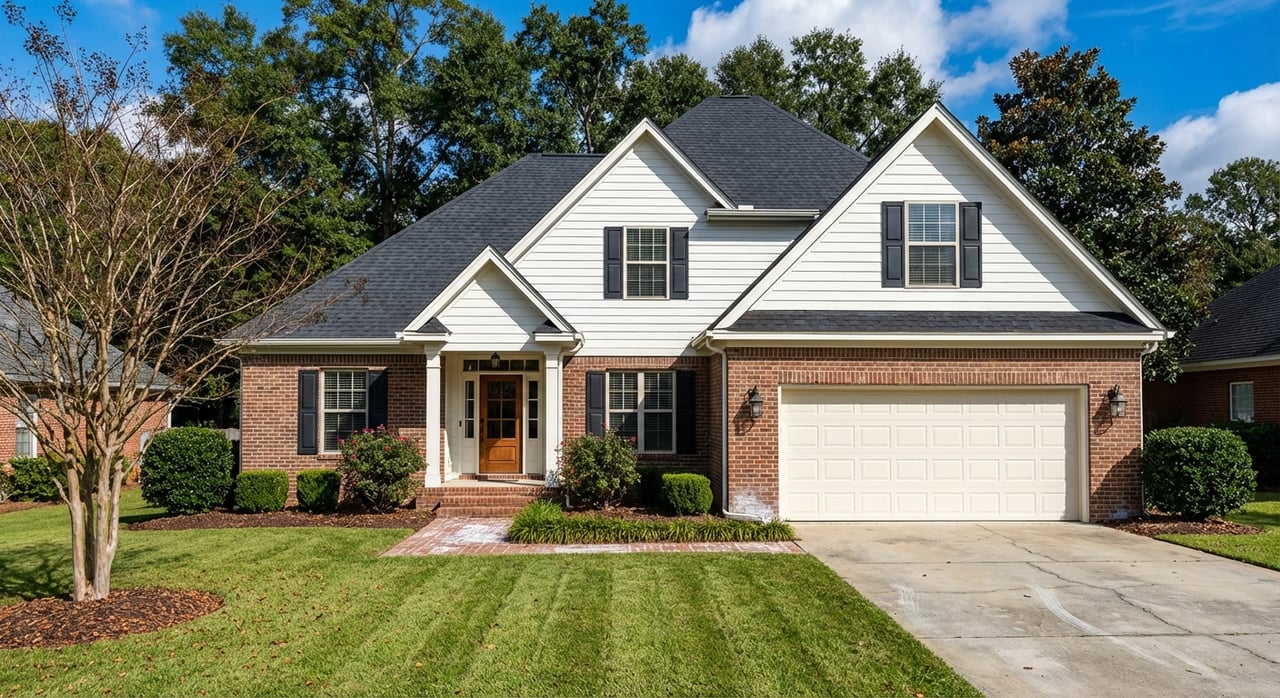
Thinking about building a new home in Johnstone? You are not alone. This gated estate community in Madison’s 39110 zip draws buyers who want space, privacy, water access, and a home designed around their lifestyle. The process can feel complex, especially when lots are scarce and many homes are custom. In this guide, you will learn the essentials for buying or building new construction in Johnstone, from timelines and inspections to financing, HOA must-knows, and a step-by-step checklist. Let’s dive in.
Johnstone at a glance
Johnstone is an established, gated estate subdivision built around Stribling Lake. You will see large lots, including multi-acre parcels and select waterfront properties with private dock access, plus underground utilities and a quiet, residential setting. Many homes here are custom or semi-custom rather than production models.
Prices in Johnstone trend toward the upper tier for Madison. Public listings in recent years show many properties trading from the high $700,000s into the 1 million dollar range and beyond. Vacant lots still appear from time to time, but sellers and past listings often note limited inventory. If a specific parcel matters to you, plan to act quickly and verify current availability through active MLS data.
HOA fees and architectural covenants vary by parcel. Before you make an offer on a lot or a to-be-built home, request the Johnstone HOA documents, recorded covenants, minimum house sizes, and the current fee schedule. If you need plats or recorded restrictions, Madison County Recorder or Chancery Clerk records are the authoritative sources.
Build options in and around 39110
Custom vs production paths in Madison
For estate-sized lots like those in Johnstone, the typical path is custom or semi-custom. That means you purchase a lot and hire a builder to design and construct your home to approved neighborhood standards. In the broader Madison area, you will also find production builders with smaller floor plans and design-center selections. If you prefer a production approach or a faster move-in, nearby subdivisions often offer spec or to-be-built inventory.
Popular floor plan features
Across Madison’s new builds, open main living with a large kitchen island and walk-in pantry remains popular. Many buyers prioritize a main-level or split primary suite and covered outdoor living for year-round use. Energy-minded upgrades are also common, including modern insulation and higher-efficiency HVAC, which can lower utility costs and reduce maintenance compared with older resale homes. For an overview of how new-home features tie into long-term costs, review this helpful guide to overall build costs and efficiency considerations from AmeriSave’s learning center: complete cost breakdown of building a house.
Timeline and what to expect
New construction timelines vary with design complexity, permitting, weather, and builder backlog. Many buyers see a total project window of 7 to 16 months from contract to move-in, with custom estate builds taking longer. National context puts the construction portion around 8 to 10 months on average, with design and permitting extending the total schedule. For an at-a-glance benchmark, see SoFi’s summary on typical build durations in the U.S. how long does it take to build a house.
Key milestones
- Pre-construction: Plan selection, surveys and soils, site prep, and permit submittals. Expect weeks to months depending on approvals and design revisions.
- Site work and foundation: Clearing, grading, utilities, footings, and slab or crawlspace setup based on plans and soils.
- Framing and exterior shell: Structure rises, roof and windows set, weatherproofing started.
- Rough-ins and drywall: HVAC, plumbing, and electrical are installed and inspected, then insulation and drywall.
- Interior finishes: Cabinets, flooring, tile, paint, fixtures, and trim are completed. Appliances and final mechanical hookups wrap up.
- Final inspections, punch list, and closing: You will complete a walk-through, review any punch-list items, and obtain a certificate of occupancy before move-in.
Permits and inspections in Madison
Your builder will coordinate permits and municipal inspections, but you should confirm which authority applies to your parcel. Some lots fall under the City of Madison while others may be in Madison County. For state-level context on permits and inspection processes, review this overview of Mississippi building requirements: Mississippi building permit resources. Always verify the correct jurisdiction for your specific lot.
Contracts, money, and protections
Representation matters
Builder sales representatives work for the builder. You protect your interests by having your own buyer’s agent or attorney, especially for plan reviews, selections, construction meetings, and contract terms. An experienced local agent can also help you weigh lot value, resale considerations, and the effect of covenants on design.
Deposits, allowances, and change orders
Earnest money and construction deposits vary by builder and build type. In many markets, standard offers on move-in-ready or production homes use a low single-digit percentage for earnest money. Custom lots and fully bespoke builds can involve larger or staged deposits, sometimes with non-refundable components. Always confirm deposit timing, refund rules, and milestone payments in writing.
Your contract will outline allowances for finishes and fixtures. If selections exceed those allowances, you will pay the difference. Changes after construction begins usually require a written change order that can affect both price and schedule. To minimize surprises, finalize as many structural decisions and key finishes as possible before ground breaks.
Inspections you should schedule
Municipal inspections ensure code compliance, but they are not the same as a buyer-focused quality review. Plan for three independent inspections with a licensed inspector who specializes in new construction:
- Pre-pour or pre-slab (if a slab foundation) to verify footings, reinforcement, and vapor barrier.
- Pre-drywall to evaluate framing, mechanical runs, insulation placement, and window/door installation before walls close.
- Final inspection before closing to document systems, finishes, safety items, and punch-list issues.
Many buyers also schedule an 11-month inspection near the end of the builder’s first-year workmanship warranty to capture late-arising items while still under coverage.
Warranties to confirm
Many new homes use a 1-2-10 warranty format that generally includes 1 year for workmanship and materials, 2 years for major systems, and 10 years for structural coverage. Exact terms, transferability, and claim procedures vary by builder and any third-party warranty provider. Keep detailed records of all communication and repair work, and plan the 11-month inspection in advance. For a practical overview of using your warranty effectively, see this builder primer: new construction home warranty explained.
Certificate of occupancy and closing
Before you move in, the jurisdiction will issue a certificate of occupancy. Your contract may also reference a temporary CO if allowed locally. Confirm in writing who activates utilities, handles final permits, and pays any HOA transfer fees. If a builder suggests an early closing before the CO, ask your agent to review the risks.
Financing your Johnstone build
You have several viable paths depending on your lot and builder:
- Construction-to-permanent loan: Also called single-close, you close once, pay interest-only on drawn funds during construction, then convert to a permanent mortgage at completion. This can help you manage rate risk and fees. Learn more in this overview of construction-to-perm loans.
- Construction-only loan: Also known as two-close, you use short-term construction financing, then refinance into a permanent mortgage at completion. This can offer flexibility but may add costs and rate risk. For context on the cost structure of building, review AmeriSave’s complete cost breakdown of building a house.
- FHA or VA one-time-close programs: FHA and VA offer specific construction-to-permanent programs with their own limits and underwriting. If you qualify, these can be a strong fit. Explore an overview of FHA new construction requirements, then confirm current limits for Madison County with your lender.
Practical tip: Choose a lender experienced with local construction draws. Ask about draw inspection schedules, interest-only payments during the build, contingency planning for overages, and how long your rate can be locked.
Build vs buy in Johnstone
Reasons to build here
- Customization: Design a floor plan, finishes, and outdoor living that suit your lifestyle and the lot’s setting.
- Modern systems: New homes often feature tighter envelopes, efficient HVAC, and up-to-date codes that can reduce near-term maintenance.
- Unique setting: Estate lots and potential lake access create a lifestyle that is hard to find elsewhere in Madison.
- Warranties: New construction typically includes builder and third-party coverage that protect your investment.
Tradeoffs to plan for
- Timeline: Custom builds can take 12 to 18 months or more. Production or spec homes often close faster.
- Cost variability: Changes and allowances add up. Market conditions can affect materials and labor.
- Coordination: You will make many decisions, attend walk-throughs, and confirm HOA design approvals.
- HOA details: Fees and covenants vary by lot. Confirm the current HOA structure before you finalize your design.
Budget conservatively to manage these tradeoffs. Many buyers add a 10 to 20 percent contingency for custom builds to cover upgrades, landscaping, and unexpected costs. AmeriSave’s cost overview offers a helpful framework for planning that buffer: complete cost breakdown of building a house.
Your Johnstone buyer checklist
Use this checklist to stay organized from day one:
Confirm lot jurisdiction and permits. Determine whether your parcel falls under the City of Madison or Madison County, then follow the correct permit and inspection process. For help locating recorded plats and covenants, start with county GIS and public records resources: Mississippi property and GIS records.
Get HOA covenants early. Request Johnstone’s covenants, architectural guidelines, and minimum build sizes before you offer on a lot or a to-be-built home. These rules guide your plan choices and finish approvals.
Decide custom vs production. If building custom on an estate lot, interview multiple local builders. Ask about recent completions, references, sample schedules, insurance, and how they handle punch lists and warranties. If you prefer a faster path, explore nearby communities with to-be-built or spec options.
Build a realistic budget. Price the lot, site work, utility taps, driveway, landscaping, and design-center upgrades. Add a contingency, often 10 to 20 percent for custom builds, to cover changes and market shifts. Review overall cost drivers using this complete build cost breakdown.
Assemble your team. Hire a buyer’s agent experienced in new construction, a lender who handles local construction draws, and an independent inspector for pre-slab (if applicable), pre-drywall, final, and an 11-month warranty inspection.
Choose the right financing. Compare single-close vs two-close structures, construction interest during draws, rate lock options, and documentation. This construction-to-perm loan overview is a useful starting point.
Document everything. Keep a written record of design selections, allowances, change orders, punch-list items, and warranty claims, with dates and photos. Staying organized speeds up resolutions and protects your investment. For tips on using your warranty period well, see this warranty explainer.
Final thoughts
Building in Johnstone lets you pair a one-of-a-kind lot with a home that fits your life today and for years to come. With a clear plan, the right team, and realistic expectations, you can navigate design decisions, permitting, construction, and closing with confidence. If you are ready to explore Johnstone lots, compare builders, or map out a build timeline tailored to you, reach out to Cindy Johnston. Cindy’s hands-on, local guidance will help you move forward with clarity and ease.
FAQs
Are there buildable lots left in Johnstone?
- Availability is limited and changes quickly. Some lots appear from time to time, so verify current inventory through active MLS data and the HOA before planning a custom build.
What price range should I expect for Johnstone new builds?
- Public listings in recent years often show homes in the high $700,000s to 1 million dollars and above, with size, location, and lake proximity affecting value. Confirm current pricing with up-to-date comps.
How long does new construction in Madison usually take?
- Many projects take 7 to 16 months from contract to move-in, with custom estate builds often running longer. For national context, see SoFi’s guide on how long it takes to build a house.
Which inspections should I order on a new build?
- Schedule pre-pour or pre-slab (if relevant), pre-drywall, a final inspection before closing, and an 11-month check near the end of the first-year warranty.
Who handles permits and inspections for a Johnstone build?
- Your builder typically coordinates permits and municipal inspections, but you should confirm whether your lot is under City of Madison or Madison County jurisdiction. For state-level context, see Mississippi building permit resources.
Which schools serve Johnstone addresses?
- Johnstone parcels fall within Madison County-area public schools. Always verify school assignment by specific address with the Madison County School District before you buy.