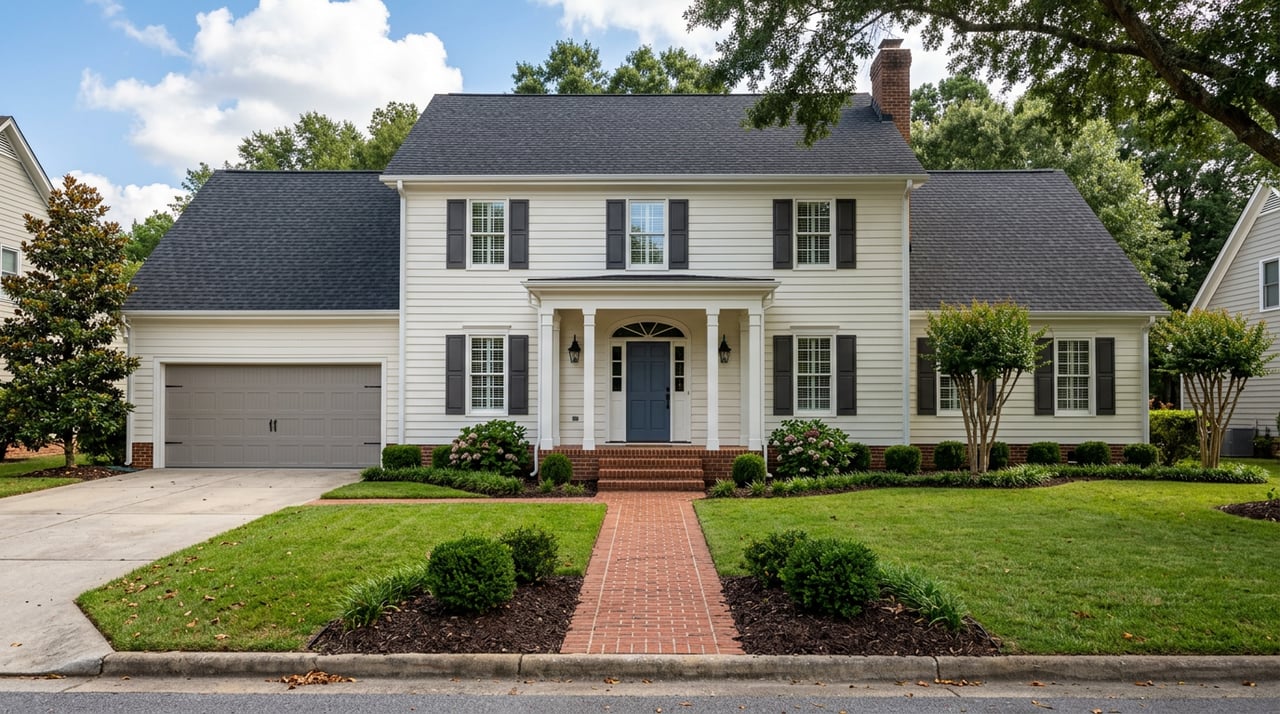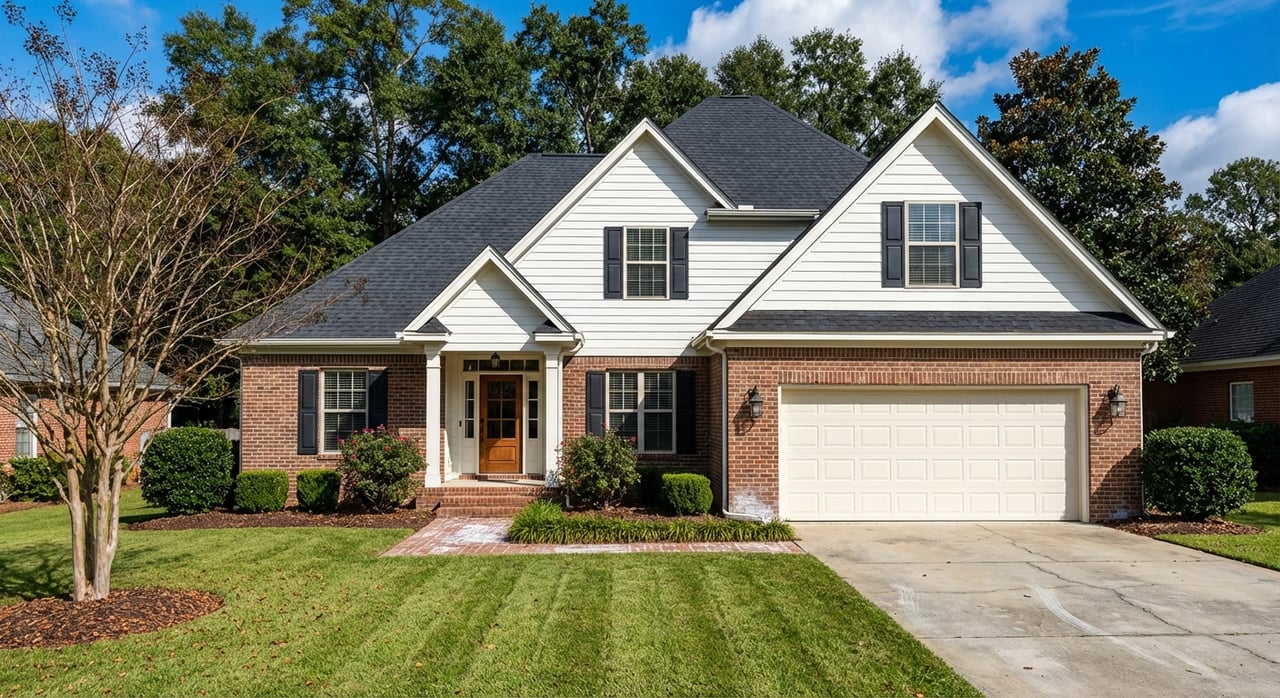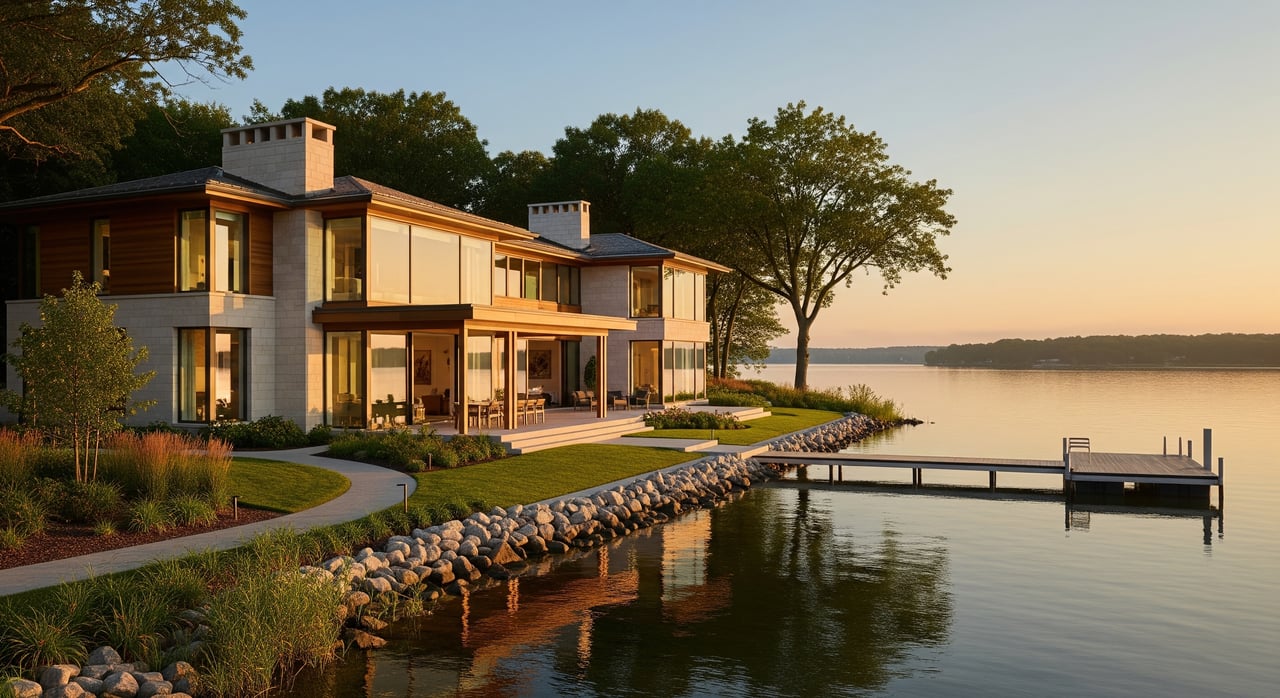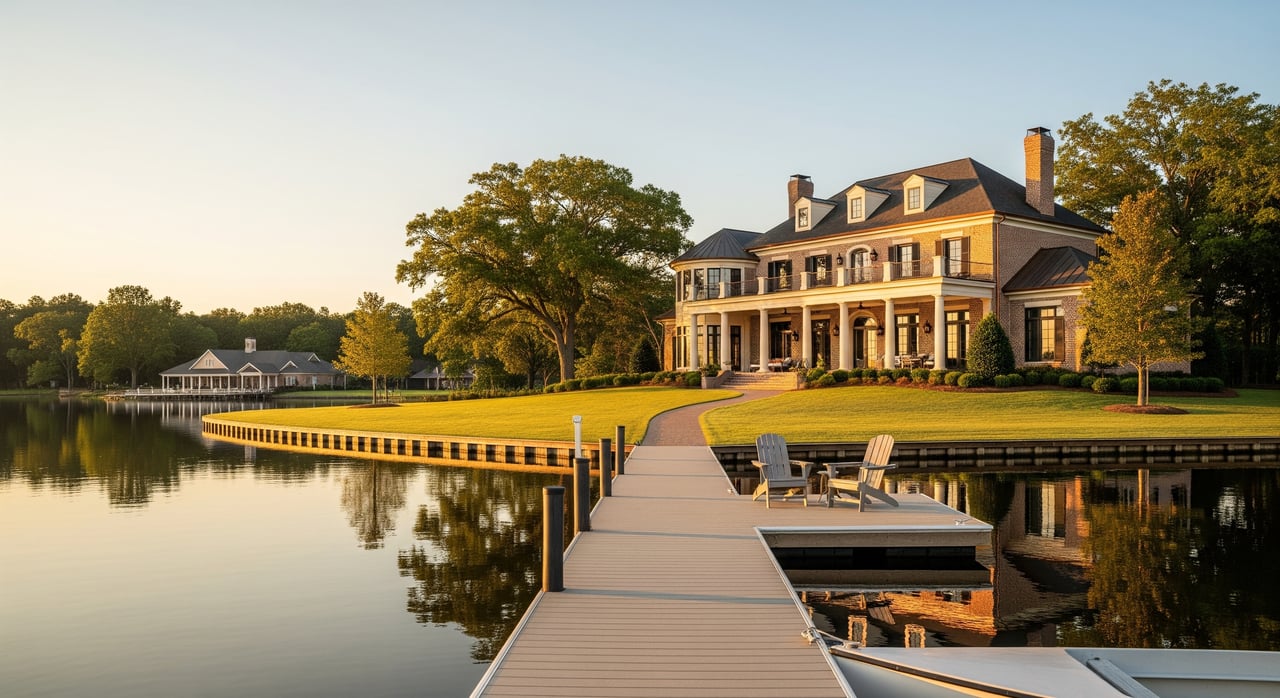
Trying to decide between Lake Caroline and Reunion in Madison can feel like choosing a lifestyle as much as a home. You want great amenities, a sensible budget, and confidence about rules that affect daily life. In this guide, you’ll learn how to evaluate each community on the key factors that matter most, plus a simple checklist to use before you write an offer. Let’s dive in.
Quick neighborhood snapshots
Lake Caroline overview
Lake Caroline is a planned, HOA-managed neighborhood in the 39110 area that is known locally for lakeside living and amenity-focused housing. Expect HOA covenants, architectural guidelines, and community standards that shape the look and upkeep of the neighborhood. Verify the current amenity set, HOA fee structure, and any club or lake rules directly with the HOA or management company. Ask for CC&Rs, design guidelines, budgets, meeting minutes, and lake policies so you know exactly what is included.
Reunion overview
Reunion is also a planned, HOA-managed community in the Madison market with a focus on high-amenity living and strong neighborhood standards. Like any master-planned area, governance, design review, and amenity access policies will guide how you use and enjoy the property. Confirm current amenities, membership models, and rules by requesting the HOA documents and any club governance materials in writing.
Amenities and lifestyle
Daily life highlights
- Look for the location and number of pools, walking paths, fitness spaces, courts, and green spaces. Proximity from a given home to the amenity hub can impact day-to-day convenience.
- Ask whether there are internal sidewalks, bike-friendly streets, and lighting standards for safety and comfort.
- Confirm if any amenities are seasonal or require reservations, guest passes, or fees.
Family and youth options
- If you want a family-focused experience, ask about playgrounds, youth camps, swim or tennis programs, and community events.
- Verify age policies for pools and any guest rules for children.
- Ask whether there are community clubs or holiday events if you value connection with neighbors.
Fitness and socials
- Find out if there is a resident gym, group classes, leagues, or clubs you can join. Ask how programming is funded and who can participate.
- Check if food or beverage services are available and whether they are open to all residents or members only.
Waterfront and lake access
Public vs private
- Determine if the lake access is private to residents or open to the public. Private lakes often limit boat traffic and outside use.
- Confirm any guest access policies for lake use.
Docks and boat rules
- Ask in writing about dock permissions, setbacks, and design standards. Confirm whether you can build or maintain a private dock and what approvals are required.
- Verify boat type and motor restrictions, wake policies, jet-ski rules, fishing policies, and hours of use.
Water quality and upkeep
- Request recent invoices or contracts for lake maintenance, including aeration, weed control, and dredging plans.
- Ask about water clarity, algae history, fish stocking, and who pays for ongoing upkeep. Clarify whether lake maintenance is included in HOA dues or billed separately.
- Check FEMA maps for any floodplain impacts on specific properties and confirm insurance requirements with a local provider.
Clubs, pools, and dining
Membership structure
- Some communities include amenities with HOA dues, while others use a separate club model with optional or required membership. Clarify initiation fees, monthly dues, and what access is included.
- Ask if memberships are tied to property ownership, transferable on resale, or capped.
Events and reservations
- Request the event calendar and reservation policies for venues, pools, or lawns. See if private events are allowed and what rental fees apply.
- Confirm any limits on guest passes or reservation windows during peak seasons.
Architecture and lots
Styles and sizes
- Review the Architectural Review Guidelines for permitted exterior materials, fences, roof types, color palettes, and landscaping standards.
- Ask about minimum or maximum square footage requirements and lot setbacks. Smaller lots often mean lower exterior maintenance, while larger lots offer more privacy and outdoor options.
- Verify whether there is active new construction and how it affects future streetscapes.
Review guidelines
- Understand the approval process and timelines for exterior changes, including docks, patios, pools, solar, and paint.
- Ask for examples of recent approvals or denials to set expectations.
HOA, fees, and rules
What dues include
- Clarify dues frequency and inclusions: common area landscaping, lake upkeep, security, street lighting, pools, and any trash or utility fees.
- Request the current-year budget, reserve study status, and the last 6 to 12 months of meeting minutes. This helps you see if dues are adequate and what projects are upcoming.
- Ask about transfer fees, resale certificates, and any recent or pending special assessments.
Leasing and pets
- Verify rental policies, including minimum lease length and any short-term rental restrictions. Ask about pet rules, fence heights, and holiday decor policies.
- Review enforcement procedures, violation fines, and dispute resolution processes.
Market and budget
Price bands and demand
- Compare recent comparable sales and days on market within each neighborhood to understand demand and negotiating power.
- Track price per square foot trends over the last 12 to 24 months and inventory levels to gauge if conditions favor buyers or sellers.
- If you are considering waterfront property, remember these homes often carry premiums and may have different insurance needs. Confirm with comps and local insurance quotes.
Monthly carrying costs
- Build a full monthly picture: principal and interest, property taxes, HOA dues, any club dues, flood or specialty insurance, utilities, and lawn or dock maintenance.
- Ask whether any amenity access is optional. Optional memberships can help you manage recurring costs while still enjoying the neighborhood environment.
Location and commute
Schools and zoning
- Confirm school zoning by address with official district tools. School assignments can vary within a ZIP code and may change over time.
- For families, ask schools directly about transportation options and program offerings so you can plan schedules confidently.
Services and access
- Map your commute to major employment hubs at typical drive times. Use live tools to test morning and afternoon patterns.
- Note proximity to grocery stores, medical clinics, pharmacies, banking, and places of worship. If you value walkability, check whether daily needs are reachable within the neighborhood or require a short drive.
Who each fits best
Use these profiles to decide which neighborhood structure aligns with your goals:
- Buyers prioritizing a resort and social lifestyle: Look for a clubhouse with robust programming, active event calendars, on-site dining, and fitness classes. You may prefer a neighborhood where more amenities are included with your dues.
- Families with school-age kids: Prioritize playgrounds, youth programming, swim or tennis options, and safe internal streets or trails. Check how close prospective homes are to the amenity hub.
- Waterfront lifestyle seekers: Focus on written lake rules, private dock policies, boat type limits, water quality reports, and long-term funding for lake maintenance.
- Low-maintenance or retiree buyers: Seek lawn and landscape standards that reduce upkeep, single-level or main-level living options, and proximity to healthcare.
- Budget-conscious buyers: Consider neighborhoods with optional club memberships, modest lot sizes, and a healthy resale inventory within your price band.
Due-diligence checklist
Copy and use this list when you tour and before you write an offer:
- Request CC&Rs, Bylaws, Rules and Regulations, and Architectural Guidelines.
- Ask for the current-year HOA budget, reserve study status, and the last 12 months of meeting minutes.
- Obtain the HOA or club resale certificate and any pending litigation disclosures.
- Confirm all HOA dues, initiation or transfer fees, and any club fees. Ask about planned special assessments.
- Get written lake rules, boat and dock policies, and recent lake maintenance invoices or contracts.
- Check FEMA flood zone status for the property and obtain an elevation certificate if available.
- Order a local pest and termite inspection, especially near shoreline vegetation.
- Request recent comparable sales and price-per-square-foot trends for the specific micro-area.
- Verify school zoning with the district and confirm transportation or program details directly with the schools.
- Get insurance quotes for homeowners and any flood coverage before finalizing your budget.
- Drive and walk the neighborhood at different times to evaluate traffic, noise, and activity levels.
Touring tips
- Park near the main amenity hub and walk to the closest streets to test real-world distance and slopes.
- If waterfront is a priority, visit the shoreline at different times to note wind, boat traffic, and noise.
- Ask residents or the HOA about peak-season pool and guest policies so you understand capacity and reservation norms.
- Note street lighting and sidewalk coverage if you plan to walk or bike in the evenings.
Next steps
The best fit between Lake Caroline and Reunion comes from seeing how each community’s rules, fees, and amenities align with your lifestyle. With clear documents, true monthly costs, and a sense of daily convenience, you can choose with confidence. If you want tailored guidance, neighborhood comparisons, or help gathering HOA and lake documents, connect with Cindy Johnston. Cindy’s local expertise and hands-on approach will help you match your must-haves with the right home.
FAQs
Which Madison neighborhood is more family friendly?
- It depends on youth programming, playground access, and proximity to the amenity hub. Verify offerings and rules in writing from each HOA or club.
Are waterfront lots pricier in Lake Caroline or Reunion?
- Waterfront homes often carry premiums due to access and views, but the size, water depth, and dock rights matter. Compare recent neighborhood comps to confirm.
Do HOA dues include all amenities in these neighborhoods?
- Some communities include many amenities in HOA dues while others use a separate club model. Ask for a written fee schedule and membership rules.
Can I build a private dock on the lake?
- Dock permissions, designs, and setbacks are governed by written lake rules and architectural guidelines. Request approvals, processes, and timelines before you buy.
What about flood risk around the lakes?
- Check FEMA maps for property-specific flood zones and ask for elevation certificates. Get insurance quotes early to confirm coverage and cost.
Are short-term rentals allowed in either neighborhood?
- Many HOAs restrict short-term rentals. Review CC&Rs and Rules and Regulations, and confirm city or county ordinances for the property address.