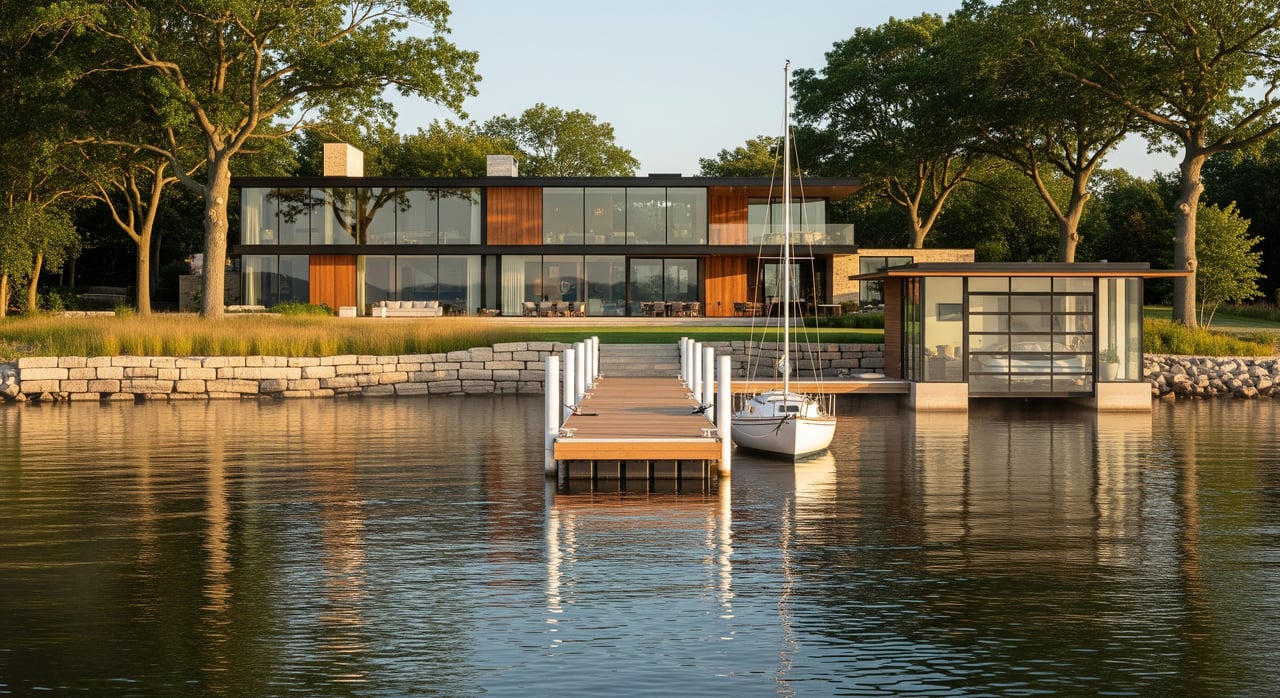
Have you pictured your mornings on the water, your evenings on a boardwalk, and your weekends by a lively marina? If you are eyeing Lost Rabbit in Madison, you are likely drawn to the waterfront lifestyle and the amenities that come with it. You want the right home and the right location so your daily routine fits your vision. In this guide, you will learn how marina access, trails, golf-cart culture, community events, and seasonal factors play into everyday living and home selection in Lost Rabbit. Let’s dive in.
Waterfront living in Lost Rabbit
Water shapes the rhythm of life here. The appeal is clear, yet each amenity changes how you live day to day. If you plan to keep a boat, the type of slip access you choose matters. If you love to walk to coffee or sunset views, homes near trails or the boardwalk may suit you. If you prefer a quieter setting, a home set back from event hubs might be better.
Your goal is to match the lifestyle you want with the location, home type, and rules that come with it. That starts with understanding how the pieces fit together.
Marina access: rights and fees
Boat slips can be deeded to a property, leased from a marina, or assigned by an HOA. Each model affects your rights, fees, and resale value. Ask early how slips are allocated, what transfers at closing, and whether there is a waitlist.
- Ownership model: Confirm deeded slip language in the title or CC&Rs, or the terms of a lease or HOA assignment.
- Operations: Check hours, guest-slip policies, and services such as fueling, lifts, and minor repairs. If you are new to marina life, review practical guidance like the Boat Owners Association’s tips on how to choose a marina and slip.
- Infrastructure: Ask about dock condition, electrical and water at the slip, and where boat trailers can be stored.
- Sound and traffic: Homes near launch areas may experience early-morning and late-evening activity during peak season.
- Insurance and waivers: Marinas often require vessel insurance and hold-harmless agreements. Get details in writing before you buy.
Trails and boardwalks: daily life
If you want to walk or bike to neighborhood spots, proximity to trails or a boardwalk is a big plus. Many buyers love the easy access for morning runs, dog walks, and sunset strolls. Trails and public paths also bring more foot traffic, so weigh convenience against privacy.
- Privacy trade-off: Homes backing a trail may have smaller yards or fewer fencing options due to easements.
- Maintenance: Public paths are usually maintained by an HOA or municipality. Ask how repairs, flooding, or storm damage are handled.
- Value alignment: If walkability is a top priority, a smaller, low-maintenance home near a path can be a smart fit.
- Placemaking benefits: Trails often create social hubs and better connectivity, which the American Planning Association notes as key benefits of well-designed trails and walkable places.
Golf-cart culture: rules and setup
In many waterfront neighborhoods, low-speed vehicles or golf carts are part of daily life. Before you plan your commute in a cart, confirm what is allowed.
- Local legality: Golf-cart rules depend on local ordinances. Confirm where carts can operate, speed limits, and required safety equipment.
- Home setup: Look for garage depth or a dedicated bay, charging access, and entry ramps or curb cuts.
- Visitor logistics: If guests arrive by car but you use a cart around the neighborhood, make sure there is convenient street or lot parking nearby.
Community events near the water
Marinas, pocket parks, and mixed-use nodes often host markets, concerts, and seasonal celebrations. These events bring energy and convenience, yet also affect traffic and parking.
- Frequency and scale: Weekly gatherings create a steady vibe. Large seasonal events bring bigger crowds on event days.
- Proximity trade-off: Living near event hubs means easy access, and occasional noise during event hours. Some buyers prefer a short walk rather than being directly next to the activity.
- HOA versus city: Events can be organized by an HOA or the city. Review the schedule, rules, and any cost-sharing in HOA documents.
Seasonality, weather, and water
Water levels and weather affect how you use outdoor features. You should plan for maintenance and insurance with the seasons in mind.
- Winterization: Docks, lifts, and plumbing need seasonal care in cooler months.
- Flood risk: Check the property’s FEMA Flood Insurance Rate Map status and obtain an elevation certificate. Start with the FEMA Flood Map Service Center to see official flood zone maps.
- Shoreline care: Ask about seawall, riprap, or living shoreline maintenance and any past repairs.
- Insurance basics: Flood coverage is separate from a standard homeowners policy. Learn the fundamentals through the National Flood Insurance Program at FloodSmart and the Insurance Information Institute’s overview of flood insurance.
- Safety: If you boat or paddle, review seasonal safety tips from the U.S. Coast Guard Boating Safety program.
Home types that fit your lifestyle
Different locations within a waterfront community deliver different trade-offs. Here is how common home settings tend to align with lifestyle goals:
- Waterfront single-family homes: Often chosen for views and potential private docks or riparian rights. Expect more maintenance and careful attention to flood and shoreline items. Verify elevation and any dock permits.
- Canalfront or lagoon homes: Good for small boats and calmer water. Depth can limit boat size. Ask about community-managed docks.
- Marina-adjacent condos or townhomes: Lower-maintenance living with easy access to slips and mixed-use nodes. Confirm whether slips are deeded or leased and review HOA rules.
- Homes backing trails or boardwalks: Ideal for active buyers who want daily walkability. Expect more foot traffic near your yard.
- Cottages near public access points: Great for low-maintenance living near events. Expect more seasonal activity and parking pressure.
Due diligence checklist
Before you go under contract, gather the right documents and plan the right inspections. This helps you protect both your lifestyle and your investment.
- Flood and elevation:
- FEMA map status and elevation certificate.
- Flood insurance quotes from NFIP or private carriers.
- Title and easements:
- Riparian rights and any boat-slip deed language.
- Public access or navigational easements that affect your shoreline or yard.
- HOA and marina docs:
- CC&Rs, bylaws, budgets, reserve studies, slip allocation and transfer rules, and assessment history.
- Permits and history:
- Dock, boathouse, lift, seawall permits, and repair records.
- Inspections:
- General home inspection plus dock, seawall, shoreline, moisture, pest, septic if applicable, and structural.
- Utilities and drainage:
- Sewer or septic confirmation, water source, stormwater flow and pumps, and winterization details.
- Insurance and lending:
- Homeowners, flood, wind or hail if relevant, umbrella, and boat coverage. Confirm lender requirements for flood zone properties.
- Local rules:
- Golf-cart operation rules, short-term rental rules, and any harbor or noise regulations.
- Taxes and assessments:
- Current property taxes and any special assessments for shoreline or private road work.
What to check during tours
A focused walk-through can save you surprises later. Use this quick list when you visit homes.
- Dock access and depth at typical low water, plus ladder and cleat condition.
- Shoreline stability, retaining walls, and evidence of erosion.
- Garage and storage for a boat, trailer, carts, and outdoor gear.
- Electrical outlets for cart or EV charging and exterior hose bibs near the dock.
- Proximity to marina operations or event spaces that can affect noise and lighting.
- Walking and biking routes to shops and neighborhood nodes you plan to use most.
Budgeting and resale
Waterfront and amenity homes can command a premium, and fees vary by location and services. Build a realistic budget that looks beyond the purchase price.
- Ongoing fees: HOA dues, slip or marina fees, and private road maintenance if applicable.
- Maintenance reserve: Docks and seawalls age, so plan for repairs and eventual replacement.
- Market cycles: Waterfront demand is strong yet can be seasonal. Consider how your home’s features compare to similar options nearby.
- Rental rules: If you want rental income, confirm short-term rental rules and peak-season restrictions before you buy.
How to align your wish list
Start with your non-negotiables, then match them to the best home setting.
- Boating first: Focus on properties with deeded slips or homes closest to slip access. Confirm transfer rules and insurance requirements.
- Walkability first: Homes near trails or the boardwalk reduce car use and make daily recreation easy.
- Quiet first: Look for homes away from launch points and event hubs, and consider lot orientation for privacy.
- Low maintenance: Marina-adjacent condos and townhomes can offer lock-and-leave living with strong amenity access.
Work with a local expert
Buying in a waterfront community is about lifestyle fit, paperwork, and careful planning. You want a guide who knows which documents to request, which features boost long-term value, and where the daily trade-offs are.
If you are considering a move in Lost Rabbit or own a home you are thinking about selling, let’s talk through your goals and timing. Reach out to Cindy Johnston to compare locations, review HOA and marina docs, and tour homes that match the lifestyle you want.
FAQs
How do I confirm if a Lost Rabbit home includes a boat slip?
- Review the title and CC&Rs for deeded slip language, or request the HOA or marina allocation policy and transfer rules in writing.
What flood insurance steps should I take for a waterfront home in Madison?
- Check your FEMA map status, get an elevation certificate, then request quotes from the NFIP and private carriers to compare coverage and costs.
Are golf carts typically allowed on neighborhood streets near the water?
- It depends on local ordinances, speed limits, and safety requirements, so confirm with the city and HOA which streets allow carts and what equipment is required.
Will living near community events create noise or parking challenges?
- Event hubs add convenience and energy, but expect occasional noise and heavier parking during event hours, especially on weekends and holidays.
What maintenance should I expect for docks, lifts, and shorelines?
- Plan for routine inspections, periodic repairs, and possible permits for work on docks, lifts, seawalls, or living shorelines, plus seasonal winterization.
What home types best fit a low-maintenance waterfront lifestyle?
- Marina-adjacent condos or townhomes often deliver lock-and-leave convenience with access to slips and neighborhood amenities, subject to HOA rules.