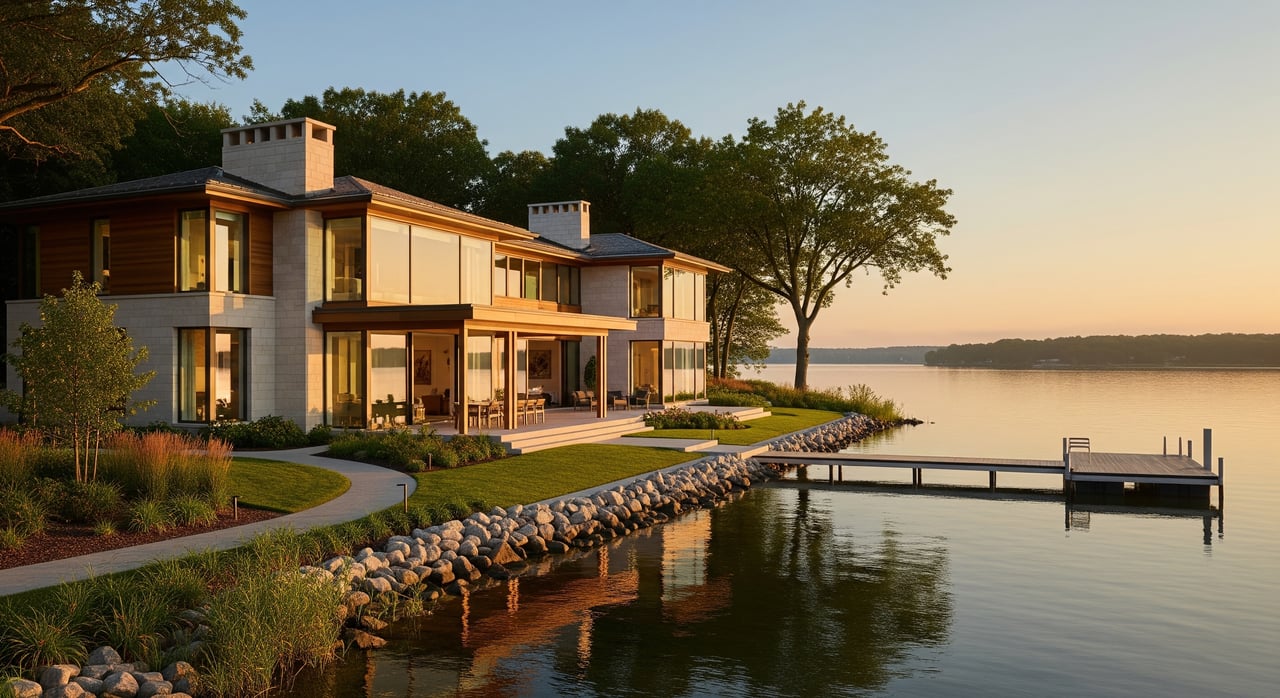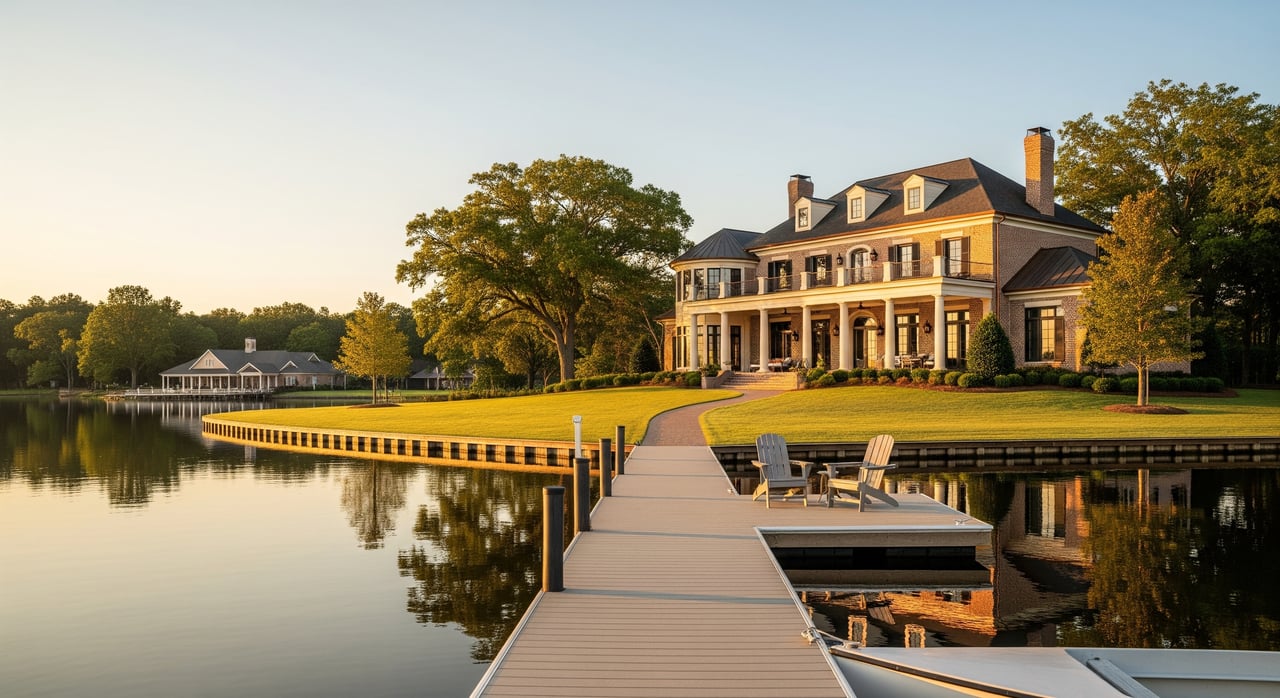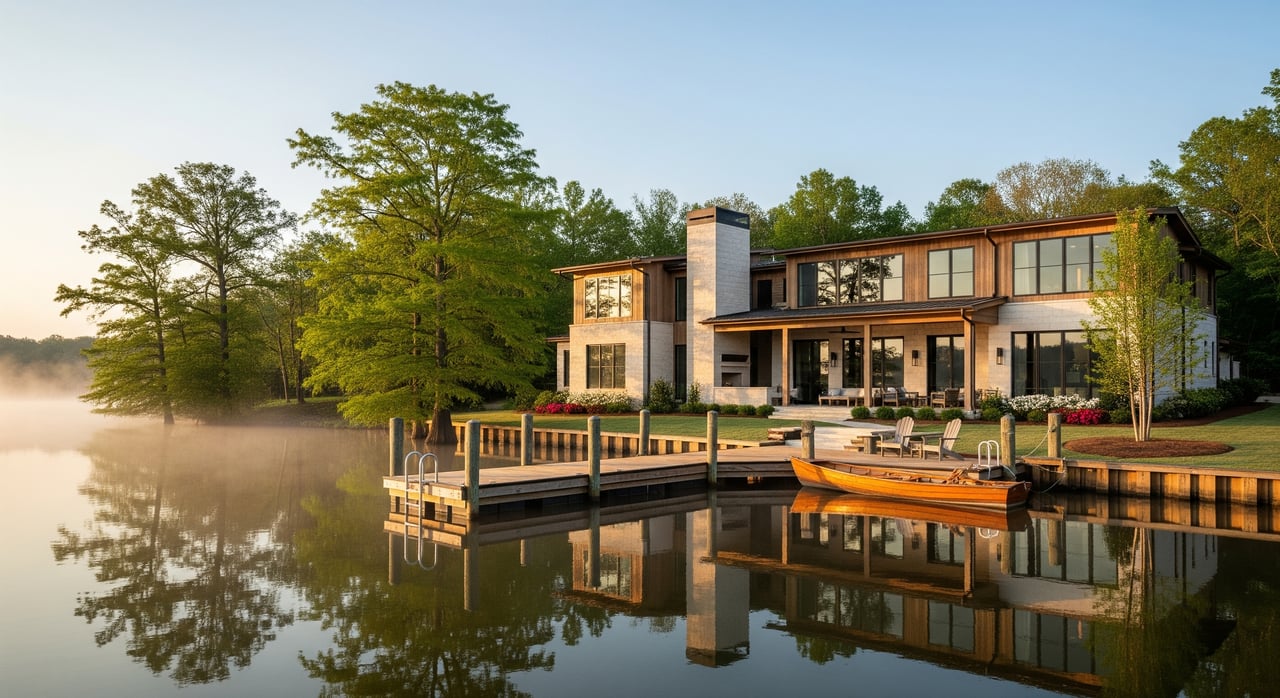
Imagine starting your morning with calm water views and easy dock access, right from your Palisades backyard on the Ross Barnett Reservoir. If you are eyeing waterfront in Flowood, you want the view, the lifestyle, and confidence that you understand what you are buying. In this guide, you will learn the must‑know basics for Palisades waterfront: lot orientation, water access rights, dock and bulkhead health, maintenance needs, insurance, permits, and a practical comparison checklist. Let’s dive in.
Palisades waterfront basics
Buying on the reservoir is about more than the view. The way a lot sits on the shoreline changes everyday comfort, long‑term maintenance, and usability.
- Sun and shade: East‑facing shoreline gives morning light and afternoon shade. West‑facing tends to bring afternoon sun and potential glare. Your interior cooling needs and porch comfort will reflect this choice.
- Wind and fetch: Open water between your lot and the opposite shore increases wave energy. Exposed points can see more wave action and boat wake. Sheltered coves or tree lines reduce it and can be quieter.
- Slope to the water: A steep drop increases costs for stairs, retaining walls, or lifts. A gentle slope makes lawn access and shallow‑water use easier.
- Submerged grade: How quickly the bottom drops off affects swimming, kayak launching, and where a dock can sit.
A strong view does not always equal practical access. Some “water view” parcels lack legal or convenient shoreline use. Verify whether the property includes riparian frontage and whether any shore improvements are on the owner’s parcel or within a shared/common area.
Access vs. view rules
Waterfront value in Palisades depends on both what you see and what you can legally use.
- Riparian rights and lines: Confirm the deed and a current survey to see if your parcel reaches the waterline and includes riparian rights. Some lots stop at a road or common strip, which can limit private use.
- Private vs. shared docks: Identify who owns any existing dock or slip. It could be the lot owner, the HOA, or the reservoir district. Ownership determines who pays for maintenance and who controls use.
- Community access: Some developments offer community ramps or docks rather than private structures. If private mooring is your priority, confirm whether a private dock is allowed and feasible on the specific lot.
- Year‑round use: Reservoirs can experience seasonal or planned drawdowns. Ask about historical water levels and any projects that could affect access depth.
- Boating rules: Speed zones, wake restrictions, and no‑go areas affect noise and safety. Check the applicable rules before you buy to confirm the area suits your activities.
Docks and bulkheads
Shoreline structures are major assets and, sometimes, major liabilities. Evaluate them with care.
Common structure types
- Fixed docks on pilings, floating docks, boat lifts, and bulkheads or seawalls built from timber, steel, vinyl, concrete, or riprap.
Typical service lives
- Pressure‑treated timber decking: about 10 to 20 years. Structural piles can last longer with proper treatment and exposure.
- Composite decking: 20 years or more for boards. The underlying structure still matters.
- Galvanized steel or concrete piles and bulkheads: often 25 to 50 years or more with good design and maintenance.
- Vinyl or steel sheet pile bulkheads: commonly 30 years or more when installed correctly.
- Boat lifts and mechanicals: about 10 to 25 years, depending on use and upkeep.
These ranges are general. Local exposure, design quality, and maintenance strongly affect life expectancy.
On‑site inspection checklist
- Structure: Look for sagging decks, shifting pilings, and uneven settlement.
- Hardware: Check for corrosion on bolts, brackets, cables, and chains. Stainless and galvanized hold up differently.
- Connections: Inspect pile caps, cross‑bracing, and the transition to shore.
- Floatation: Look for cracked floats or uneven buoyancy on floating docks.
- Lifts: Inspect cable wear, motors, control boxes, and wiring. Electrical safety near water is critical.
- Bulkhead integrity: Watch for leaning or bowing, panel gaps, seepage, loss of backfill, and toe scour.
- Prior repairs: Patching, pinning, or tiebacks can signal recurring issues.
- Vegetation: Roots and shoreline trees can undermine bank stability.
Safety systems to verify
- Handrails on stairs, non‑slip decking, ladders for swimmers, and properly grounded waterfront electrical service with code‑compliant protection.
Permits and paperwork
Ask the seller for original permits and any approvals for docks, lifts, bulkheads, and electrical. Unpermitted work can trigger removal or costly retrofits.
Maintenance and risks
Waterfront ownership includes ongoing care. Plan for routine checks and timely repairs.
- Annual tasks: Walk the shoreline after storm seasons, tighten fasteners, and clear debris around pilings.
- Every 2 to 5 years: Re‑stain or seal timber decking and replace rotted boards.
- Every 5 to 15 years: Replace hardware, floats, or lift cables as they age.
- Bulkheads: Monitor yearly. Address small cracks or movement early to avoid large failures.
Erosion and sedimentation are real factors. Boat wake and storms can scour the toe of slopes, expose roots, and slump banks. Sediment can fill shallow areas and alter water depth near shore, which matters for swimming and shallow‑draft boats.
Biological conditions change through the seasons. Algal blooms, aquatic vegetation, and invasive species can affect recreational use and increase dock cleaning. After storms, floating debris or submerged hazards can damage docks or boats.
Storms can uproot trees, shift docks, and scour shorelines. Ask about any past storm damage and the history of repairs on the property you are considering.
Budget for care. Major items like failing bulkheads or lift overhauls can be significant. If you see red flags, get contractor estimates before you finalize an offer.
Insurance and permits
Confirm coverage and approvals early in your process. These items can change total cost and timeline.
- Flood insurance: Standard homeowners policies typically exclude flood. Lenders may require a flood policy if the home sits in a Special Flood Hazard Area. FEMA maps and the property’s elevation relative to Base Flood Elevation affect pricing. An Elevation Certificate may be needed.
- Wind, hail, and homeowners: Insurers consider wind and hail exposure in Mississippi. Verify availability and costs. Ask whether docks and outbuildings are covered or require an endorsement.
- Reservoir district and local permits: The Pearl River Valley Water Supply District manages the reservoir and sets policies for shoreline structures. Depending on your parcel and scope, approvals may involve PRVWSD, the City of Flowood, Rankin County, the Mississippi Department of Environmental Quality, and the U.S. Army Corps of Engineers. Confirm which office has jurisdiction for your address.
- HOA rules: Many communities limit dock size, design, location, or the number of powered boats. Request covenants, recent meeting minutes, and a list of what the HOA maintains.
Buyer checklist
Use this side‑by‑side guide to compare Palisades homes:
Title and scope
- Current survey showing waterline, riparian frontage, and easements
- Deed language that confirms riparian rights, if any
- Permits and approvals for all shoreline structures
Physical shoreline and condition
- Walk the shore at different water levels, if possible
- Note slope, access, underwater grade, and submerged hazards
- Dock check: alignment, deck boards, pilings, corrosion, floats, lift function, electrical labeling, and biofouling
- Bulkhead check: vertical alignment, cracks, seepage, toe scour, and tiebacks
Access and usability
- Private dock vs. shared/HOA access
- Dock suitability for your boat type and size
- Historical water levels, seasonal drawdowns, and maintenance drawdowns
Insurance and claims
- FEMA flood zone and, if available, an Elevation Certificate
- Seller disclosures of flood, wind, or water damage claims
- Sample quotes from an insurance agent familiar with waterfront
Legal, rules, and costs
- PRVWSD, city or county, and HOA design and setback standards
- Recent maintenance records and invoices for docks and bulkheads
- Any warranties on recent shoreline work
Utilities and safety
- Waterfront electrical service condition, grounding, and GFCI protection
- Potable water and sewer or septic details for the lot and any waterfront amenities
Neighborhood and lifestyle
- Noise from boating corridors or nearby ramps and marinas
- Viewlines from main rooms and patios
- Tree shading and seasonal leaf or pollen impacts on maintenance
Hire before you buy
Bring in the right specialists early. Their findings can shape your offer and contingency planning.
- Marine or structural inspector with reservoir dock and bulkhead experience
- Licensed surveyor to confirm lines, riparian frontage, and structure locations
- Structural or civil engineer for aging or suspect bulkheads and docks
- Licensed electrician for waterfront electrical systems and lift controls
- Insurance agent experienced with Mississippi waterfront for flood and homeowners options
- Real estate attorney if you see complex easements, shared facilities, or unpermitted work
How Cindy helps Palisades buyers
A successful waterfront purchase blends lifestyle goals with careful verification. You want a home that fits how you live, plus clear answers on access, permits, and long‑term upkeep. With hands‑on buyer representation and deep knowledge of Rankin County waterfront neighborhoods, you get a calm, step‑by‑step process that protects your interests.
From comparing lot orientation and wave exposure to coordinating inspections for docks, lifts, and bulkheads, you will have a guide to help you spot value and avoid surprises. You will also get help requesting the right documents from sellers, HOAs, and the reservoir district so you can make decisions with confidence.
Ready to take the next step on the reservoir in Palisades? Reach out to Cindy Johnston for local guidance tailored to your goals.
FAQs
Can I build a private dock on a Palisades lot?
- Verify deeded riparian frontage, review HOA covenants, and confirm permitting with the reservoir district and the local planning office for your parcel before you buy.
How do I check flood insurance needs for a Palisades home?
- Look up the FEMA flood zone, request an Elevation Certificate if needed, and get quotes for NFIP and private flood coverage from an agent familiar with waterfront.
What is a normal lifespan for docks and bulkheads on the reservoir?
- Timber decking often lasts 10 to 20 years, composite boards 20 or more, steel or concrete bulkheads 25 to 50 or more, and lift systems about 10 to 25, depending on exposure and care.
How can I tell if a shoreline is eroding?
- Watch for exposed roots, slumping, gaps behind bulkheads, bowing panels, and toe scour at the waterline, and ask about boat wake patterns and past repairs.
Will reservoir water levels affect my dock year‑round?
- Reservoirs can have seasonal or planned drawdowns that change water depth at the dock; ask the seller, HOA, and reservoir district about historical patterns.
Who maintains a shared dock or ramp in Palisades?
- Check HOA documents and any recorded easements to confirm ownership, exclusive use, and cost‑sharing responsibilities for shared facilities.